Electric Lunch Box Buying Guide
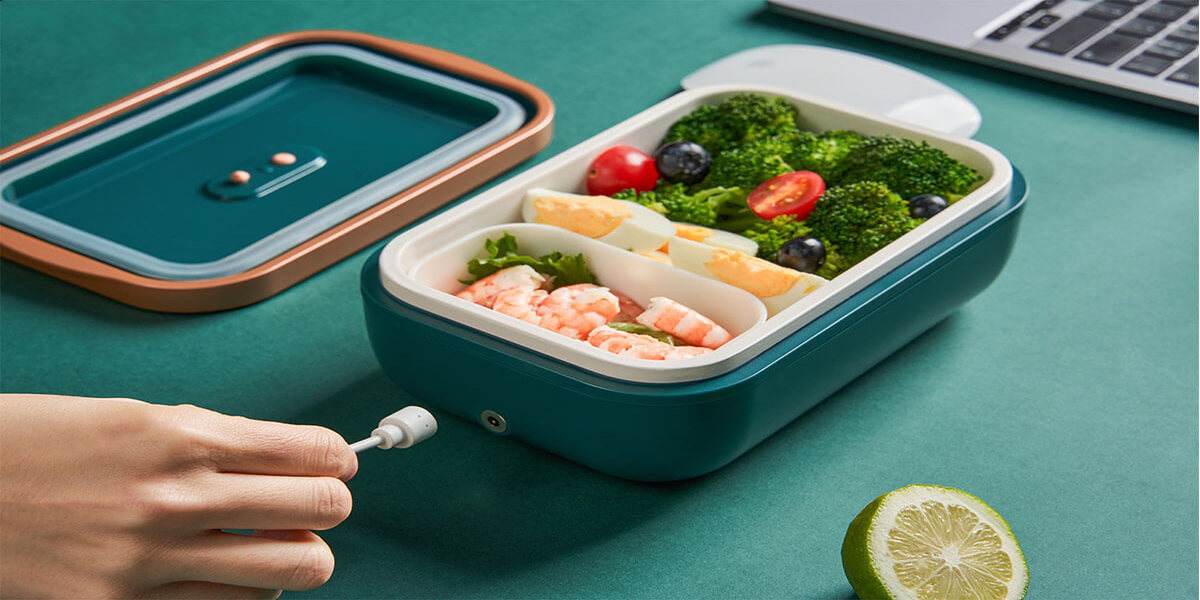

Imagine skipping the dreaded office breakroom microwave queue—and avoiding the rubbery, unevenly heated results that usually come with it. An electric lunch box replaces that daily frustration with a gentle, slow-steaming process that retains your food’s natural moisture, original texture, and vital nutrients. By transforming meal prep into an effortlessly warm, fresh experience at your desk, in your car, or out in the field, these portable warmers give you complete control over your diet without sacrificing precious downtime.
Beyond pure convenience, investing in a self-heating lunch container pays off both financially and nutritionally. Making the switch encourages healthier eating habits, drastically cuts down on expensive daily takeout orders, and eliminates single-use plastic waste. With modern models now boasting features like car power adapters, dual compartments, quick-heat elements, and spill-proof seals, finding the right match simply comes down to aligning the appliance’s specs with your daily routine.
In today’s fast-paced world, convenience is key, especially when it comes to meals on the go. Electric lunch boxes offer a convenient solution for keeping your food warm and ready to eat wherever you are. Whether you’re a busy professional, a student, or someone who enjoys picnics and outdoor activities, investing in the right electric lunch box can make mealtime hassle-free.
However, with so many options available on the market, it can be overwhelming to choose the perfect one for your needs. Here’s a comprehensive guide to help you make an informed decision:
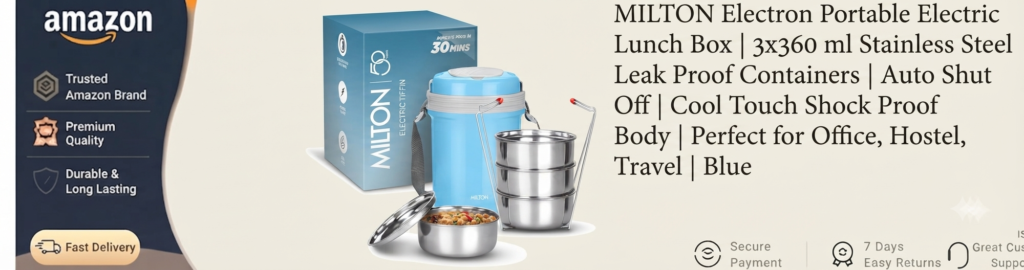
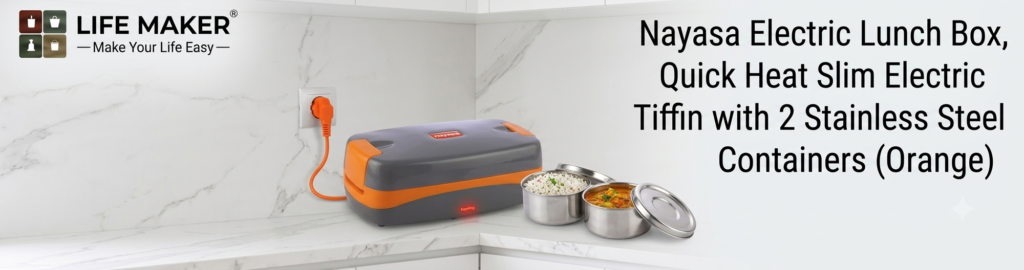
Size and Capacity: Consider how much food you typically need to carry. Electric lunch boxes come in various sizes, from compact options designed for individual portions to larger ones suitable for family meals or sharing with friends. If you’re often on the go by yourself, a smaller capacity might suffice, but if you frequently share meals or have a hearty appetite, opt for a larger size.
Insulation and Heating Mechanism: Look for lunch boxes with efficient insulation to ensure that your food stays warm for an extended period. Some models come with double-walled insulation or vacuum insulation technology for better heat retention. Additionally, check the heating mechanism – most electric lunch boxes utilize either steam or dry heat to warm up food. Decide which method aligns better with your preferences and dietary requirements.
Power Source: Electric lunch boxes typically rely on either AC power or DC power sources. AC-powered models are designed to plug into standard electrical outlets, making them ideal for office use or indoor settings where power sockets are available. On the other hand, DC-powered lunch boxes can be powered by a car’s cigarette lighter socket, making them suitable for road trips, camping, or long commutes.
Material and Durability: Choose a lunch box made from high-quality, food-grade materials that are durable and easy to clean. Stainless steel and BPA-free plastic are popular choices for their durability and safety. Ensure that the inner containers are microwave-safe if you plan to reheat food separately before transferring it into the lunch box.
Additional Features: Pay attention to extra features that enhance convenience and usability. Some electric lunch boxes come with separate compartments or stackable trays to keep different dishes separated. Others may have built-in utensil storage, digital temperature controls, or timer functions for precise heating.
Portability and Design: Consider the portability of the lunch box, especially if you’ll be carrying it around frequently. Opt for a lightweight and compact design that fits easily into your bag or backpack. Ergonomic handles or carrying straps can also make transportation more comfortable.
Brand Reputation and Reviews: Research different brands and read reviews from other users to gauge the reliability and performance of the electric lunch box you’re considering. Reputable brands known for their quality products and excellent customer service are often a safer bet.
Price and Warranty: Set a budget based on your requirements and compare prices across different brands and models. While affordability is important, prioritize quality and features that meet your needs. Additionally, check the warranty coverage to ensure protection against any potential defects or malfunctions.
choosing the right electric lunch box involves considering factors such as size, insulation, power source, material, features, portability, brand reputation, price, and warranty. By taking these aspects into account and assessing your specific needs and preferences, you can select a lunch box that not only keeps your meals warm and delicious but also simplifies your on-the-go dining experience.
Yes, electric lunch boxes are generally safe to use when used according to the manufacturer’s instructions. They are designed with safety features such as automatic shut-off mechanisms to prevent overheating and accidents. However, it’s essential to handle them with care, ensuring proper maintenance and avoiding misuse to minimize any potential risks.
Food can typically be kept safely in an electric lunch box for up to 2-4 hours, depending on factors such as the insulation quality and ambient temperature. It’s important to ensure that the food is heated to a safe temperature (above 140°F or 60°C) before placing it in the lunch box to prevent bacterial growth. For longer storage, consider using an insulated container or thermos to maintain food temperature.
The purpose of an electric lunch box is to conveniently heat and store food, allowing individuals to enjoy warm meals while on the go. By utilizing electricity, these lunch boxes warm up food quickly and efficiently, eliminating the need for microwaves or stovetops. They are particularly useful for busy professionals, students, travelers, or anyone who requires a portable meal solution.
The Science of Cookware: Understanding Materials and Their Impact on…
A Comprehensive Guide to Choosing the Perfect Microwave Oven In…

Cloth Drying Racks: Types, Benefits, Buying Guide & FAQs Cloth…
A Guide to Choosing the Perfect Air Fryer for Your…
Essential Guide to Care of Nonstick Cookware: Tips for Longevity…
Crunchy Decisions: How to Pick the Right Electric Sandwich Maker…